ABOUT
Visual Author. Photographer. Film Director.
Jonathan Lennard is a commercial photographer and film director based in Los Angeles, creating fashion, portrait, architecture, beauty, luxury, and advertising campaigns for international brands and publications. His work spans still photography and motion, bringing a single visual language to both mediums.
Photography, for me, has never been about capturing a moment.
Every image begins long before the camera is lifted. It starts as an idea—a relationship between light, architecture, people, movement, and emotion that gradually becomes clear until there is only one photograph left to make. The camera records the final step of a much longer creative process.
Over the past two decades my work has appeared in publications including British Vogue, Vogue, Vanity Fair, Elle, Esquire, GQ, and L'Officiel, while commercial commissions have included campaigns for Dior, Bulgari, De Beers Forevermark, L'Oréal, Dove, Chevrolet, Nokia, and Warner Bros.
Although the assignments vary, the process rarely does. Every project begins with a concept, is refined through collaboration and design, and is resolved through composition. The objective is not to document what exists, but to give an idea its clearest visual expression.
That philosophy extends beyond photography. PAD90210, a private architectural residence developed for visual production, Olinka, a restored 1953 Sparkman & Stephens yawl, and now The Promontory my latest house project are all conceived as creative environments where architecture, craftsmanship, and storytelling become part of the work itself.
The medium changes. The way of seeing does not.
PHOTOGRAPHY
Photography is a process of construction rather than observation.
Every photograph begins with intention. Light, proportion, architecture, landscape, wardrobe, and gesture are considered as parts of a single visual idea. The resulting image should feel natural, but never accidental.
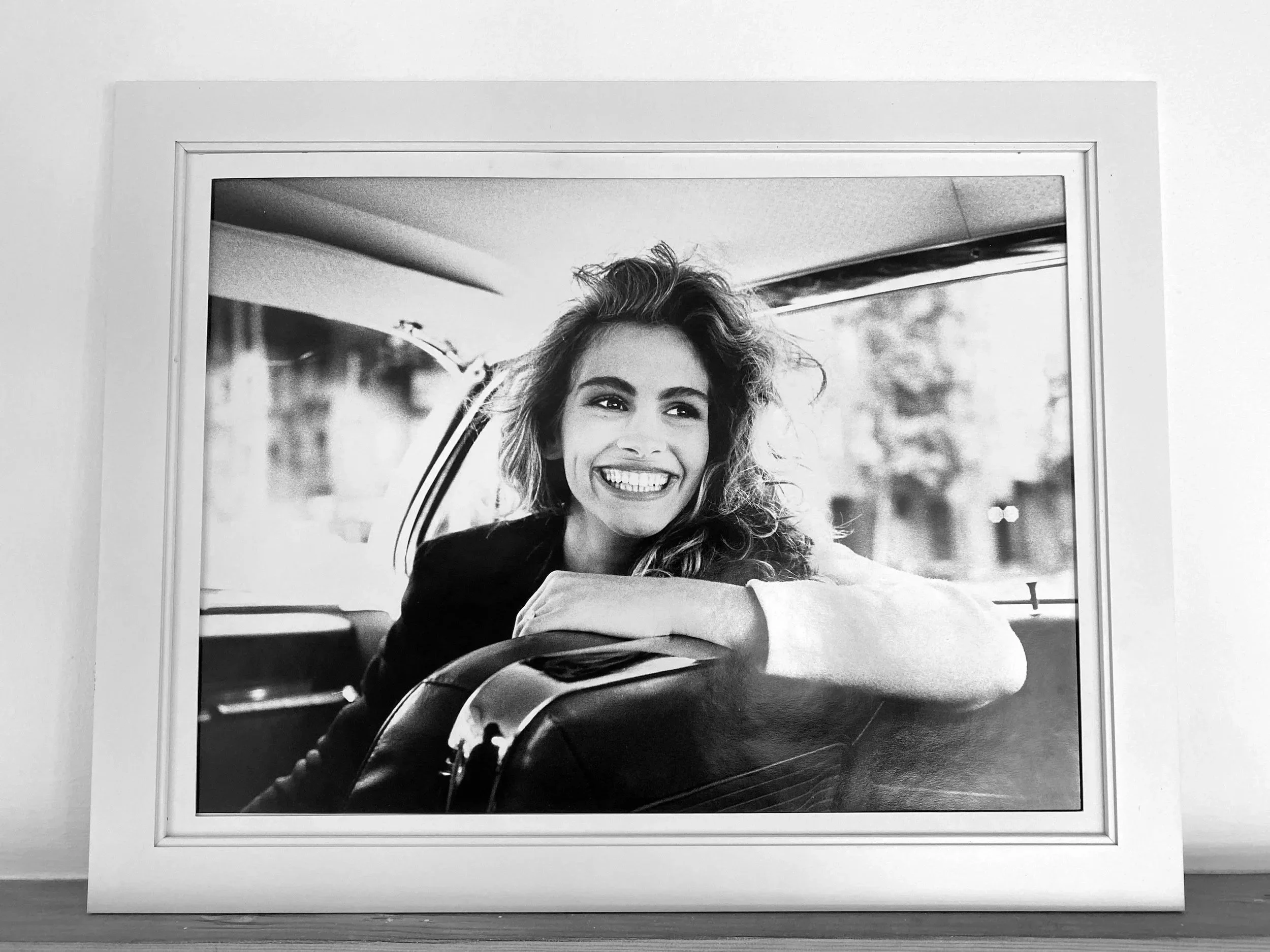
Working across commercial advertising, editorial photography, fashion, portraiture, architecture, and personal projects has reinforced one belief: the subject may change, but visual language remains constant. Whether photographing a campaign or a portrait, every decision should contribute to clarity, atmosphere, and permanence.
MOTION
Motion evolved naturally from photography.
The same principles of composition, rhythm, and atmosphere extend into film, where movement and storytelling combine with elements of design. Commercial films are approached frame by frame, allowing images to function as words while contributing to a narrative.
Photography isolates an idea. Film allows that idea to unfold through time.
PORTRAITS
A portrait is not simply a likeness.
It is an interpretation.
Every portrait begins with a conversation about identity, presence, and intention. Rather than searching for spontaneous moments, the goal is to create an image that feels authentic because every element has been carefully considered, with the lead element being the subject photographed.
FASHION
Fashion photography is an intersection of design, movement, architecture, and the cultural narrative of the generation it lives in.
Editorial assignments establish an appreciation for experimentation, while commercial campaigns demanded precision and collaboration. Both continue to shape an approach that values timeless imagery over seasonal trends.
The objective is never simply to photograph clothing, but to create an image that communicates the reason behind the design, or the cultural trend that brought it to life.
LUXURY
Luxury is expressed through craftsmanship, proportion, and sometimes it’s conveyed through restraint and sometimes through the lack of restraint.
Whether photographing jewelry, beauty, fashion, lifestyle, or architecture, the emphasis remains on materials, detail, and permanence. Simplicity often communicates confidence more effectively than excess, but then again, as I mentioned earlier, excess is also a statement in itself.
The most enduring luxury imagery does not demand attention. It rewards it.
PLACE
Architecture is never a backdrop.
Every environment influences the narrative of an image. A room, a landscape, a yacht, or a house on a promontory overlooking an endless ocean, carries its own character long before anyone enters the frame.
This understanding led to the creation of PAD90210, Olinka and The Promontory—three very different environments built around the same belief that place is an active participant in visual storytelling. My places have one thing in common, which is their fluidity in their environments. The places I choose to make my images meld into an organic world I see in my mind.
PROCESS
Ideas arrive first.
Research, conversation, references, sketches, architecture, and location gradually define a project before production begins. Careful preparation creates freedom on set, allowing instinct to guide the final decisions. Rules created sometimes need to be broken, to save the bigger picture. This is a defining rule of the excellent filmmaking process. Which ultimately means that the photograph is the conclusion of the process, not the beginning.
SELECTED WORKS
Every commission begins with a different brief but the same objective: to create imagery that serves a purpose. That purpose can be as simple as to create a satisfying visual reward. Ultimately it fulfills a commercial goal, but has integrity and was made to please an audience, not to forcefully sell something.
Whether produced for editorial publication, commercial advertising, or a personal project, each body of work is an exploration of the relationship between concept, design, and visual form.
WORKING PHILOSOPHY
I have never thought of photography as collecting moments.
I think of it as making ideas visible.
Every project begins with a vision that does not yet exist. Photography and film provide the means to construct that vision with clarity, precision, and purpose.
The camera is not where the work begins.
It is where a thought becomes real.